


What Happens During a Dental Check-Up? A Simple Guide for Patients
What the dentist checks, how often to go, whether it hurts and how to prepare — a plain-language walkthrough of a routine dental check-up.

Many people visit a dentist only when they have a toothache or another dental problem. However, regular dental check-ups can help identify potential issues before they become more serious.
If you have never had a dental check-up or it has been a while since your last visit, knowing what to expect can make the experience feel much easier.
What Is a Dental Check-Up?
A dental check-up is a routine examination of your teeth, gums, and overall oral health. It helps a dentist identify early signs of tooth decay, gum disease, and other dental problems.
Even if your teeth feel fine, a check-up can reveal issues that may not cause noticeable symptoms in their early stages.
What Happens During a Dental Check-Up?
1. Checking Your Teeth
The dentist examines your teeth for cavities, cracks, worn enamel, and other signs of damage. If necessary, they may recommend dental X-rays to check areas that cannot be seen during a regular examination.
2. Examining Your Gums
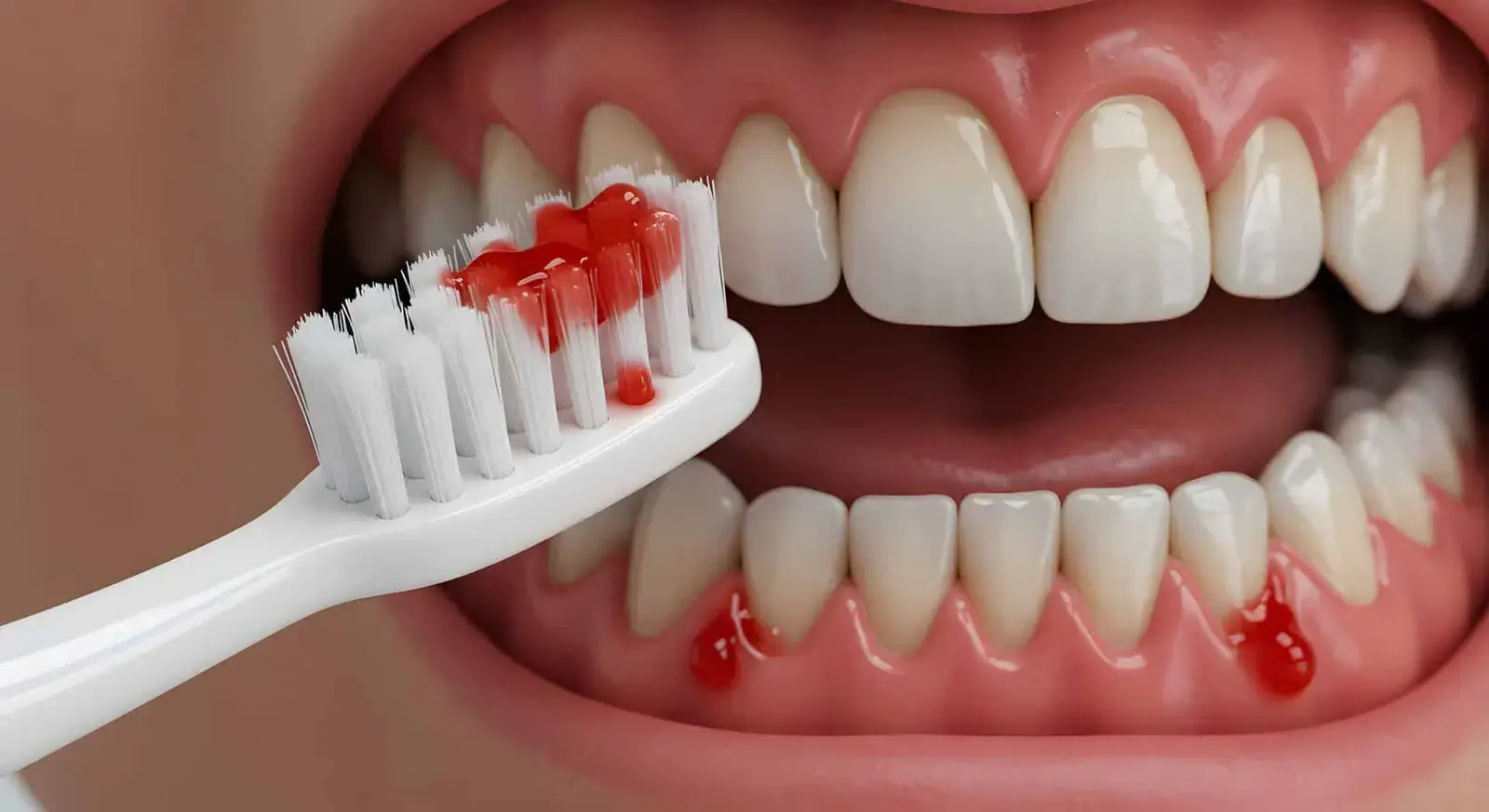
Healthy gums are an important part of good oral health. Your dentist checks for redness, swelling, bleeding, and other signs of gum problems.
Identifying these issues early can help prevent them from becoming more serious.
3. Checking for Plaque and Tartar
Plaque is a sticky layer of bacteria that forms on your teeth. If it is not removed regularly, it can harden into tartar, which cannot be removed through ordinary brushing.
Your dentist may recommend professional teeth cleaning if there is significant plaque or tartar buildup.
4. Discussing Your Dental Concerns
A dental check-up is also an opportunity to discuss anything that has been bothering you.
You can tell your dentist about tooth sensitivity, bleeding gums, bad breath, discomfort while chewing, or any changes you have noticed in your mouth.
Sharing these details helps the dentist understand your concerns and decide whether further examination is needed.
5. Getting Advice on Oral Hygiene
After examining your teeth and gums, your dentist may suggest simple changes to your daily routine.
These might include improving your brushing technique, cleaning between your teeth, using fluoride toothpaste, or changing habits that affect your oral health.
The advice will depend on your individual needs.
How Often Should You Get a Dental Check-Up?
The frequency of dental visits depends on your oral health and risk of developing dental problems.
Some people may benefit from a check-up every six months, while others may need more frequent visits. Your dentist can recommend a suitable schedule based on your condition.
If you experience persistent tooth pain, swelling, or other unusual symptoms, do not wait for your next routine appointment.
Does a Dental Check-Up Hurt?
A routine dental check-up is generally comfortable and should not cause significant pain.
You may experience mild discomfort if your gums are inflamed or sensitive. If you feel nervous or uncomfortable, let your dentist know so they can explain the examination and help you feel more at ease.
If professional cleaning is required, some people may experience temporary sensitivity afterward.
Why Are Regular Dental Check-Ups Important?
Regular dental visits can help you:
- Identify cavities before they become more complicated.
- Detect early signs of gum disease.
- Understand whether professional teeth cleaning is needed.
- Receive advice suited to your oral health.
- Monitor existing dental problems.
- Maintain healthier teeth and gums over time.
Preventive care can also help you avoid unexpected dental problems and the need for more extensive treatment.
How Can You Prepare for Your Appointment?
Preparing for a dental check-up is simple.
Brush your teeth before visiting, make a note of any symptoms you have noticed, and inform your dentist about relevant medications or medical conditions.
If you have questions about a particular treatment or dental concern, write them down beforehand so you remember to ask during your appointment.
There is no need to feel embarrassed if you have not visited a dentist for a long time. Being honest about your concerns helps your dentist provide appropriate care.
Final Thoughts
A dental check-up is a simple but important part of maintaining good oral health. It allows your dentist to examine your teeth and gums, identify potential problems, and recommend appropriate preventive care.
You do not need to wait until something hurts before booking an appointment. Regular examinations, combined with good daily oral hygiene, can help you maintain a healthy smile.
If you are experiencing dental discomfort or are due for a routine examination, consider visiting Dentonation Dental Care in Agra to discuss your oral health needs and receive appropriate dental guidance.
Read About These Treatments
Each treatment page explains what the procedure involves, so you can understand your options before discussing them with your dentist.
Other Dental Articles


Have a Dental Question?
Online information can help you understand a dental concern, but it cannot replace an examination.
If you have persistent tooth pain, bleeding gums, a damaged tooth or another concern, speak with a dentist for an appropriate assessment.
Prefer to write to us? Send your question and our team will get back to you.
